Ten Reasons Why We Meditate
People often begin meditation for stress relief, better focus, or emotional balance. These benefits matter, and they are real. There is also something deeper that draws us to sit quietly and meet our own mind. Meditation has always been a way of returning to the simple fact of being alive.
1. We meditate because the mind runs on autopilot
Most days unfold in a blur of habits, reactions, and unfinished thoughts. The mind races ahead, and we follow without noticing. This is autopilot. It keeps us moving, but it also keeps us half‑asleep. We miss the good moments. We get absorbed in the difficult ones. We drift through the day without really being here.
When we sit quietly, the momentum of autopilot becomes visible. Thoughts rise and fade. Feelings shift. Patterns reveal themselves. Meditation gives us a moment to step out of the automatic flow and see the mind as a process rather than a fixed identity. This simple recognition creates space. It becomes possible to respond with clarity instead of reacting out of habit.
2. We meditate to see the nature of thoughts
Thoughts appear on their own, like clouds forming in a wide sky. They change shape. They dissolve. And yes, sometimes they break open and pour down on us. Meditation gives us a clear view of this process. Over time, we start to see that we are not our thoughts. This recognition gives us a way to relate to the mind with more honesty.
Thoughts are excellent at solving mathematics and baking cakes. They are less helpful when we are looking for inner peace. Meditation reveals thoughts as passing events rather than absolute truths. They move through awareness the way clouds drift across the sky. When we see this clearly, the mind feels lighter. There is more room to breathe, even on the days when the weather is terrible and we forgot our umbrella.
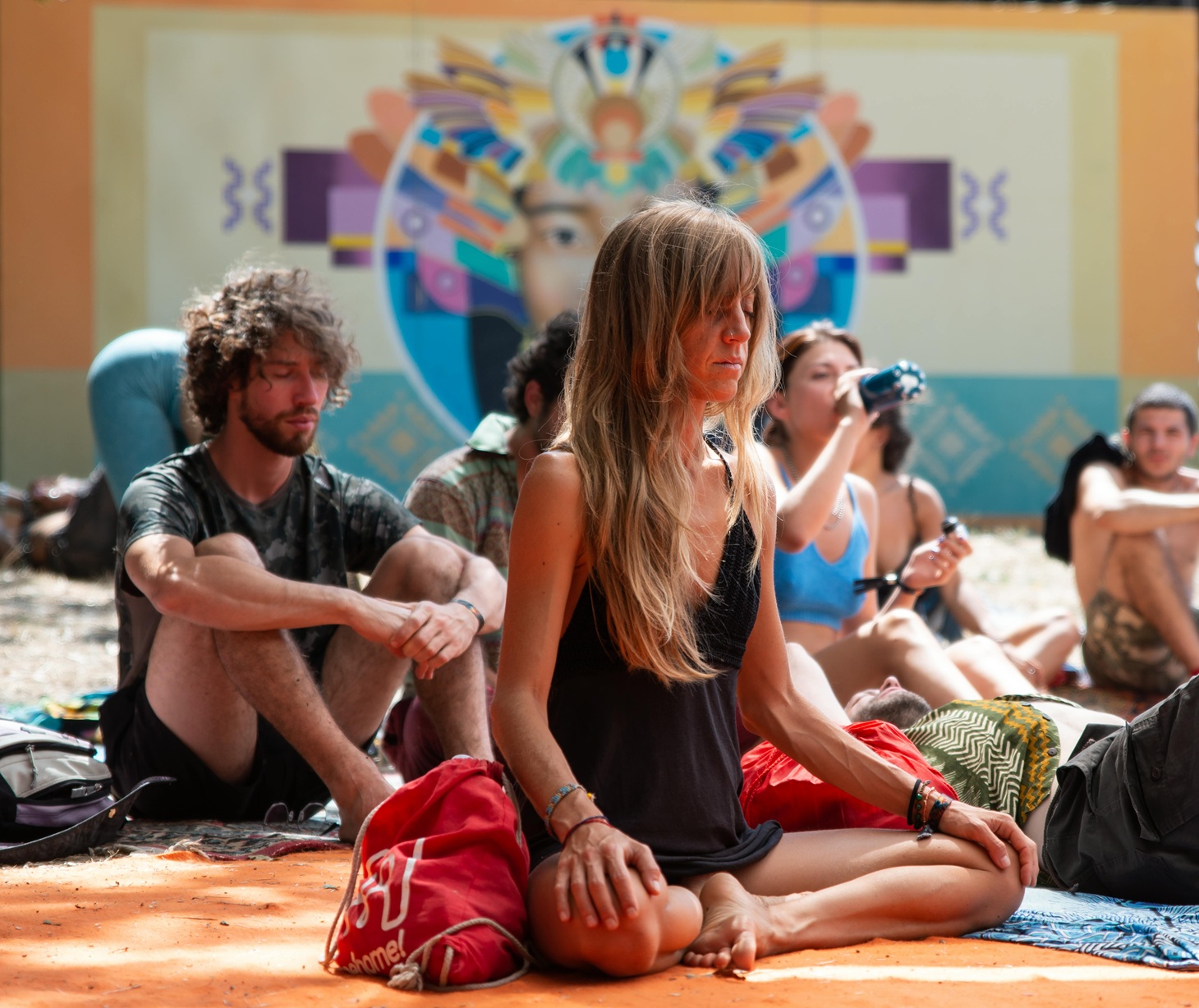
3. We meditate because the mind sometimes refuses to let things go
Some thoughts pass us by like people on a busy high street. Some smile as they go. Some bump our shoulder. And every now and then one steps right in front of us, grabs our sleeve, and launches into a long explanation of their life story or why they are furious about something we have never heard of. We only wanted to buy bread. When we are ambushed by a difficult thought, we find it hard to let it go. This is rumination.
Rumination convinces us that the next thought will finally solve everything. It never does. It just loops. It only leaves us exhausted.
Meditation helps us see this process in real time. A thought appears. It pulls. We feel the tug. Instead of being marched down the street, we learn to pause. We learn to say, no, I am not following that thought today. The thought may circle back for another attempt. That is fine. We can decline again, and the rumination gets weaker and weaker.
This simple skill changes the texture of daily life. The mind becomes less like a runaway horse and more like a companion we can guide with a gentle hand. Stress softens. Sleep improves. Rumination still visits, but it no longer gets to run the whole show. There is more space, more clarity, and more room to rest.
4. We meditate to soften the weight of experience
Life brings pressure, uncertainty, and pain. Meditation gives us a way to meet these experiences with more space. When we sit, we learn to feel without collapsing. Sensations move through the body. Emotions rise and settle. The process becomes visible.
A calm mind is like a blue sky. Thoughts and emotions are like weather in that sky. Storms can be loud and dramatic, but they never damage the sky itself. Meditation helps us see this directly. The weather comes and goes. The sky remains open.
This softening is a form of strength. It allows us to stay open in moments we would rather push away. It allows us to meet difficulty with steadiness rather than fear.
5. We meditate to return to our own presence
Meditation is often described as waking up. The breath moves. The body settles. Awareness becomes steady for a moment. Then the mind wanders off again. Then we notice. Then we return. This rhythm is the practice.
Meditation is unlikely to feel perfect. Most sessions are a mixture of brief clarity and long stretches of distraction. This is normal. We are just practicing meditation. We are not masters. Even so, each moment of returning strengthens a sense of presence that is always here beneath the noise.
A few of the benefits people often notice
- empathy deepens
- compassion becomes more natural
- patience grows
- humility softens the edges of the ego
- productivity improves because the mind is less scattered
- reactions become steadier
- relationships feel easier
- the inner critic loses some of its volume
These changes are not forced. They grow gradually as the mind becomes clearer and more spacious.
6. We meditate to reconnect with what matters
When the mind settles, even briefly, our priorities become clearer. We remember the people we care about. We remember the values that guide us. We remember the small joys that are easy to overlook. Meditation brings us back to the simple fact that life is happening now.
This clarity is felt in the body. It shapes the way we speak, listen, think and act.
7. We meditate because awareness itself is nourishing
There is a natural brightness in awareness. When the mind is steady, even for a moment, this brightness becomes clear. Some traditions call this Buddha nature. It is the idea that the real nature of the mind is pure and blissful. We simply get distracted by the muddles of life and the stories we tell ourselves.
Meditation gives us a chance to rest in this natural clarity. It is mystical in the simplest sense. It is the direct experience of being awake.
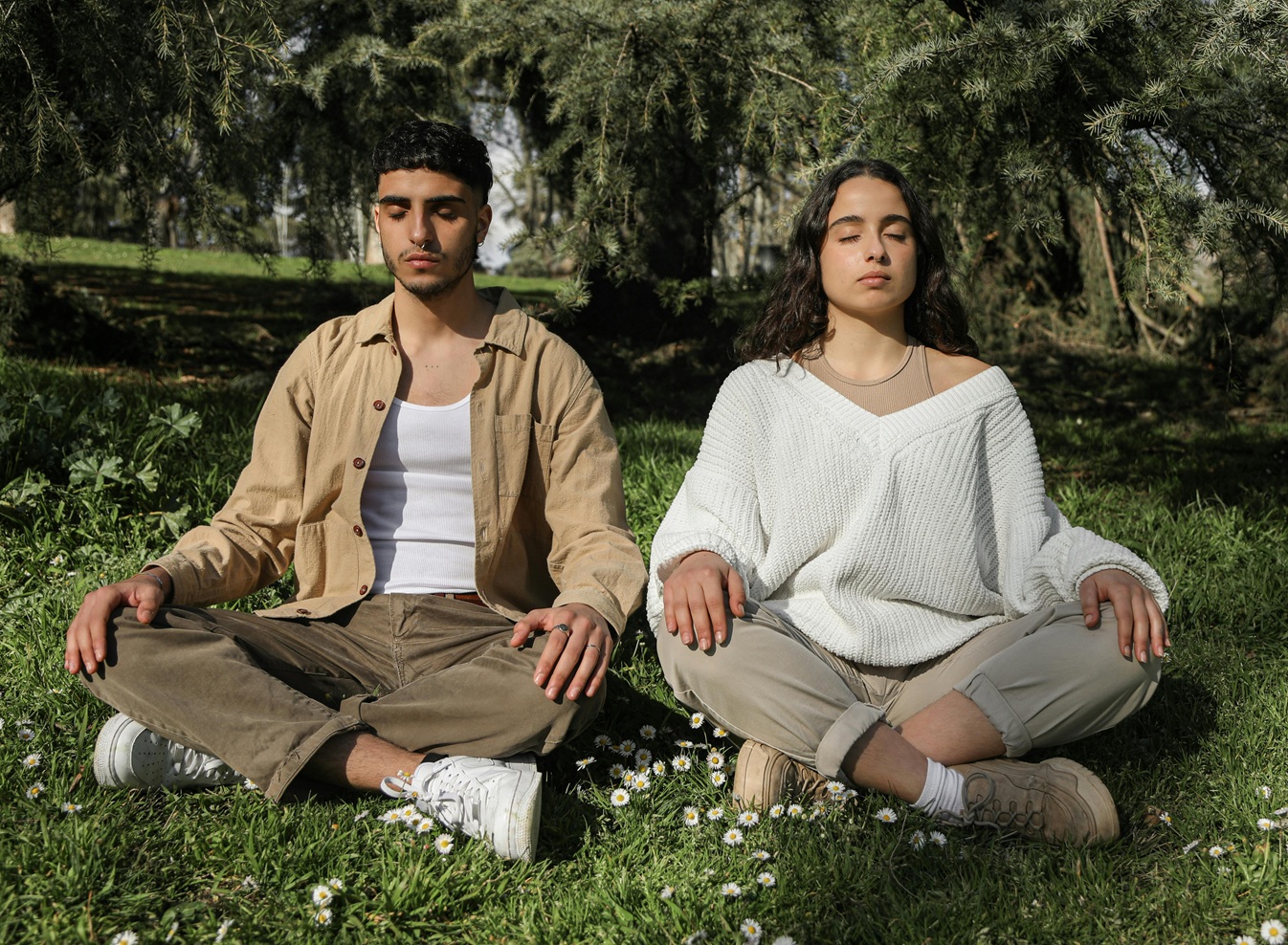
8. We meditate because it changes us slowly and honestly
Meditation rarely transforms us overnight. The change is gradual. One day we notice that we reacted with more patience. Another day we notice that we listened more fully. These small shifts accumulate.
For example, I used to be an angry driver. Years of meditation have softened that. I rarely get rattled now, even when someone cuts me up on the road. The world has not changed. My relationship to it has.
Meditation works through consistency. It shapes us the way water shapes stone. The change is gentle, and it is real.
9. We meditate to connect with the one reality that underlies existence
Meditation can open a sense of connection that goes beyond personal mood or emotion. Many traditions describe a single reality that supports everything. Some call it God. Some call it a higher power. Some call it Buddha Nature. Others simply feel a deep ground beneath experience. The name is optional. The experience is what matters.
This connection does not arrive by accident. Meditation is something we create through intention and attention. We shape the mind into a state that can recognise what is usually hidden by noise and distraction. When the mind steadies, even briefly, the world feels less divided. The sense of separation softens. There is a feeling of belonging that does not depend on belief or philosophy.
Meditation gives us a way to touch this deeper ground through our own effort. Some days it feels distant. Other days it feels as close as the breath. Either way, the practice keeps the doorway open. We sit, we breathe, we look inward, and the mind becomes clear enough to sense the reality that has always been here.
10. We meditate because we are alive
Meditation is a way of honouring the simple fact of being here. To sit quietly, to breathe, to feel, to notice, is a way of meeting life with honesty. Meditation is a way of recognising the depth of the person who is already here.
Ram, , Brontë Falls, Yorkshire
🌿 Our practice deepens not only through meditation, but also through understanding. These articles offer reflections, guidance, and teachings to support your journey.
I Ching | Beginner Guide Why Meditate? A Practical Guide to Meditation Sound Meditation: A Complete Guide The R.A.M.A. Mnemonic Binaural Beats
✨ Looking for something else?
Introduction to Buddhism Buddhism Doesn't Come With a Biscuit Watching a Live Stream World Karma Game
✨ Lost? Visit the Table of Contents or search the tag cloud.

 Support me on Patreon



 Subscribe without emails | RSS Feed
